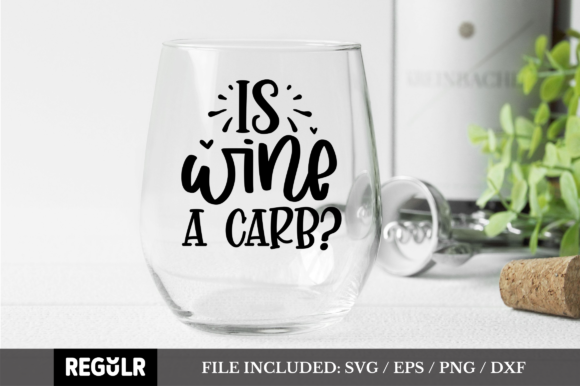
Is Wine a Carb SVG: Graphics for Crafts & Local Branding
As a brand designer who’s developed visual identities for over 40 local businesses—from artisanal candle studios in Asheville to organic skincare boutiques in Portland—I recently evaluated Is Wine a Carb SVG for a real-world project: rebranding a women-led, small-batch kombucha and wine-pairing subscription box. The first impression? It’s warm, conversational, and lightly irreverent—evoking a friendly, confident, and approachable brand personality. It leans into playful sophistication rather than cheeky gimmickry, landing somewhere between modern design and handmade charm. It feels organic, not clinical; human-centered, not algorithm-driven.
This graphic design asset doesn’t scream “luxury spa” or “corporate wellness,” but it *does* resonate powerfully with food businesses, boutique retailers, and creative entrepreneurs building authentic local brands. Think: a seasonal rosé-themed candle line, a farmers’ market jam label, a wine-and-cheese tasting event flyer, or a reusable shopping bag for a neighborhood bottle shop. Its tone suggests craftsmanship, community, and light-hearted celebration—not rigid formality.
In practice, Is Wine a Carb SVG shines across multiple touchpoints in small business branding. On product labels, it adds memorable personality without overwhelming ingredient lists or certifications. As a packaging accent on kraft boxes or matte-finish jars, it reinforces brand voice while supporting visual hierarchy—guiding the eye from core product name to supporting message. For hang tags on handmade soap or ceramic mugs, it delivers instant recognition and emotional resonance. On thank-you cards or printable inserts inside subscription boxes, it deepens customer connection through shared humor and cultural shorthand.
It’s equally effective in promotional contexts: hero graphics for Instagram carousels, limited-edition campaign banners for local festivals, social media graphics announcing “Wine Wednesday” pairings, or even subtle watermark-style elements in Canva templates for email newsletters. When layered thoughtfully into editorial design or web design layouts, it strengthens consistency—making every customer interaction feel like part of the same thoughtful, cohesive story.
Where does Is Wine a Carb SVG deliver the strongest business value? First, in shelf appeal: on crowded retail shelves or market tables, its balanced weight and clear letterforms stand out without shouting. Second, in packaging design—it works beautifully as a secondary brand element alongside a clean logo, reinforcing tone without competing. Third, in seasonal campaign visuals: whether used on holiday gift tags or spring picnic posters, it signals intentionality and brand confidence. And fourth, in printable design applications—like custom stickers for jar seals or branded coasters—it maintains clarity at scale and translates reliably across print and digital formats.
That said, this SVG design requires thoughtful placement. Avoid using it in formal corporate branding contexts—think investor decks or B2B vendor proposals—where tone misalignment could dilute credibility. Steer clear of very small labels (under 1.5 inches wide), where legibility suffers without careful scaling and kerning adjustments. Don’t place it directly over busy backgrounds, low-contrast surfaces, or ingredient-heavy layouts where readability falters. It’s also not ideal for luxury minimalist brands that rely on negative space and restrained typography—here, it may feel overly decorative.
Before deploying Is Wine a Carb SVG in any commercial design, here are essential brand designer notes I apply on every client project:
- Test it on real packaging mockups—not just digital previews—to assess how it reads under natural light and shelf conditions.
- Check black-and-white usage: Does it retain impact when printed in single-color ink? (This matters for cost-effective labels and stamps.)
- Preview it on small labels at actual size—especially if applied to jar necks, tea tags, or soap wraps.
- Test it with your full brand palette, not just primary colors—see how it interacts with neutrals, secondaries, and accent tones.
- Compare it against competitor packaging—does it differentiate, or unintentionally echo another local brand?
- Review print quality at 300 DPI and inspect edge sharpness—vector scalability is only as strong as its anchor points.
- Verify PNG transparency if layering over photos or textured backgrounds in marketing visuals.
- Inspect SVG editability: Can you adjust individual letters, spacing, or weights without distortion? (Critical for customizing for specific product names or taglines.)
- Test it beside your brand fonts—try it next to serif, sans serif, script, handwritten, and display typefaces to confirm harmony, not conflict.
- Confirm commercial licensing before using it in client work, physical product sales, or any revenue-generating context—this is non-negotiable for professional branding.
For local business owners and creative entrepreneurs, Is Wine a Carb SVG isn’t just clipart—it’s a strategic tool. When integrated intentionally into packaging design, product labels, and social media graphics, it supports stronger first impressions, clearer visual hierarchy, and more consistent brand identity. It helps handmade businesses signal authenticity, food brands convey approachability, and boutiques express curated personality—all without sacrificing professionalism.
Used well, this graphic design asset becomes part of your brand’s visual vocabulary—not decoration, but communication. It tells customers something about who you are before they even read your tagline. In an era where small business branding competes for attention across physical and digital spaces, that quiet, confident voice matters more than ever.