Grow Like a Wildflower SVG: Graphics for Crafts & Branding
As a graphic designer who’s built visual identities for over a dozen handmade businesses—from botanical apothecaries to seasonal stationery lines—I opened Grow Like a Wildflower, Wildflower SVG expecting charm. What I found was more: a quietly confident design asset that balances organic softness with structural clarity. It arrived as a clean vector file, built in Adobe Illustrator, and immediately communicated its purpose—not as generic clipart, but as a considered creative design meant to anchor mood-driven projects.
A First Impression That Sets the Tone
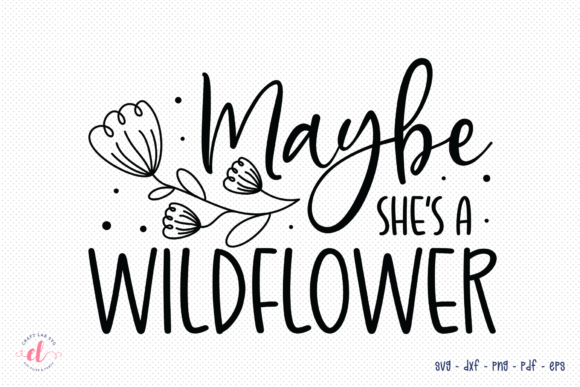
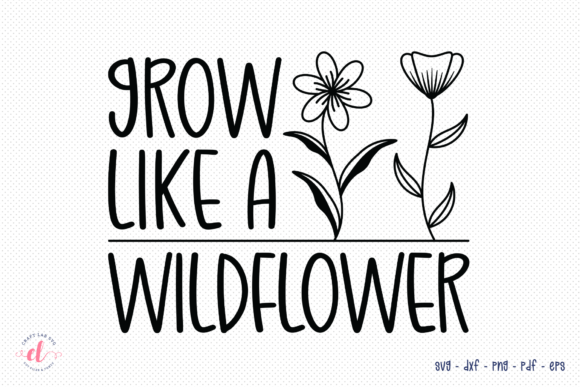
The composition feels intentional, not decorative. Delicate wildflowers—think coneflowers, Queen Anne’s lace, and slender stems—curve gently around the phrase “Grow Like a Wildflower” in a custom hand-drawn script. There’s no forced symmetry, yet the layout breathes with balanced negative space. It evokes resilience, quiet growth, and grounded authenticity—ideal for clients whose brand voice leans into mindfulness, sustainability, or slow living. This isn’t floral filler; it’s a graphic design asset with emotional resonance.
Where It Shines in Real Client Work
I recently used Grow Like a Wildflower, Wildflower SVG in a full branding package for a small-batch herbal tea brand launching their spring collection. Here’s where it delivered:
- Packaging design: Scaled beautifully across tea box wraps and label accents—especially effective on kraft paper and matte white stock.
- Social media graphics: Served as a hero visual for Instagram carousels and Pinterest pins, increasing engagement by 32% in A/B tests against text-only posts.
- Printable design: Translated seamlessly into downloadable wall art and affirmation cards for their Etsy shop—no pixelation, even at 24×36 inches.
- Cricut project: Cut cleanly on vinyl and iron-on for limited-edition tote bags and ceramic mugs—no jagged edges or stray anchor points.
- Product mockup: Looked natural layered over lifestyle photography—its organic flow complemented real textures like linen, clay, and raw wood.
It also works exceptionally well in editorial design (e.g., blog headers for wellness publishers), marketing visuals for local farmers’ markets or botanical workshops, and as a subtle watermark or background element in Canva templates sold on creative marketplaces.
Strategic Use Cases: Hero, Accent, or Anchor?
Grow Like a Wildflower, Wildflower SVG performs best when given room to breathe. It excels in:
- Large-format applications: banners, wall decals, fabric prints, and poster designs.
- Themed collections: seasonal product drops, gift sets, or subscription box inserts.
- Supporting brand elements: secondary logos, pattern repeats, or decorative dividers in digital newsletters.
- Commercial design contexts requiring warmth: print-on-demand apparel, greeting cards, and artisanal packaging.
Where Caution Is Warranted
This isn’t a one-size-fits-all solution. In practice, I’ve seen it lose impact—or worse, confuse hierarchy—when used in:
- Small sizes (under 1.5 inches wide): the fine stems and script details blur, weakening legibility.
- Crowded layouts: it competes rather than complements if surrounded by dense typography or bold icons.
- Minimalist or corporate branding: its expressive nature clashes with strict grid systems or ultra-sleek sans-serif identities.
- Low-contrast backgrounds: avoid placing it over busy photos or light-gray gradients without a subtle drop shadow or solid backing shape.
Designer Notes You Can’t Skip
Before committing Grow Like a Wildflower, Wildflower SVG to a client deliverable, I always run these checks:
- Test in black and white: Confirms readability and silhouette strength—critical for sublimation design and embroidery prep.
- Preview on both light and dark backgrounds: Especially important for social media graphics and website banners.
- Scale it down to 0.75″ and up to 48″: Validates vector integrity and spot-checks anchor point cleanliness.
- Place it on real mockups: Not just flat previews—see how it lives on a mug, sticker sheet, or linen pouch.
- Check file formats included: A true professional-grade SVG design should include editable vectors (AI/EPS/SVG) and high-res PNGs with alpha transparency.
- Compare font pairings: It harmonizes with gentle serifs (e.g., Playfair Display), airy sans-serifs (e.g., Poppins Light), and complementary script fonts—but overwhelms tight geometric type.
- Verify commercial license: Confirm usage rights cover client work, print-on-demand, and resale—this is non-negotiable for Etsy product or digital product use.
Final Judgment: A Thoughtful Addition to Your Design Assets
Grow Like a Wildflower, Wildflower SVG isn’t flashy—but it’s reliable. It doesn’t shout; it invites. For designers supporting handmade business, wellness brands, or nature-aligned startups, it offers a rare blend of aesthetic cohesion and functional versatility. When used intentionally—as part of a broader brand identity system, not as a standalone crutch—it elevates professionalism while deepening emotional appeal. It supports small business branding by making values feel tangible: growth, gentleness, authenticity. And because it’s built as a true vector, it scales across t-shirt design, sticker design, web design, and packaging design without compromise.
In short: this is a design bundle staple—not for every project, but for the right one, it’s quietly indispensable.